Details

How to cite? Learn about historical contexts

Details description language:

  • de
  • en
  • pl

    Zeugenname; Geburtsdatum und -ort

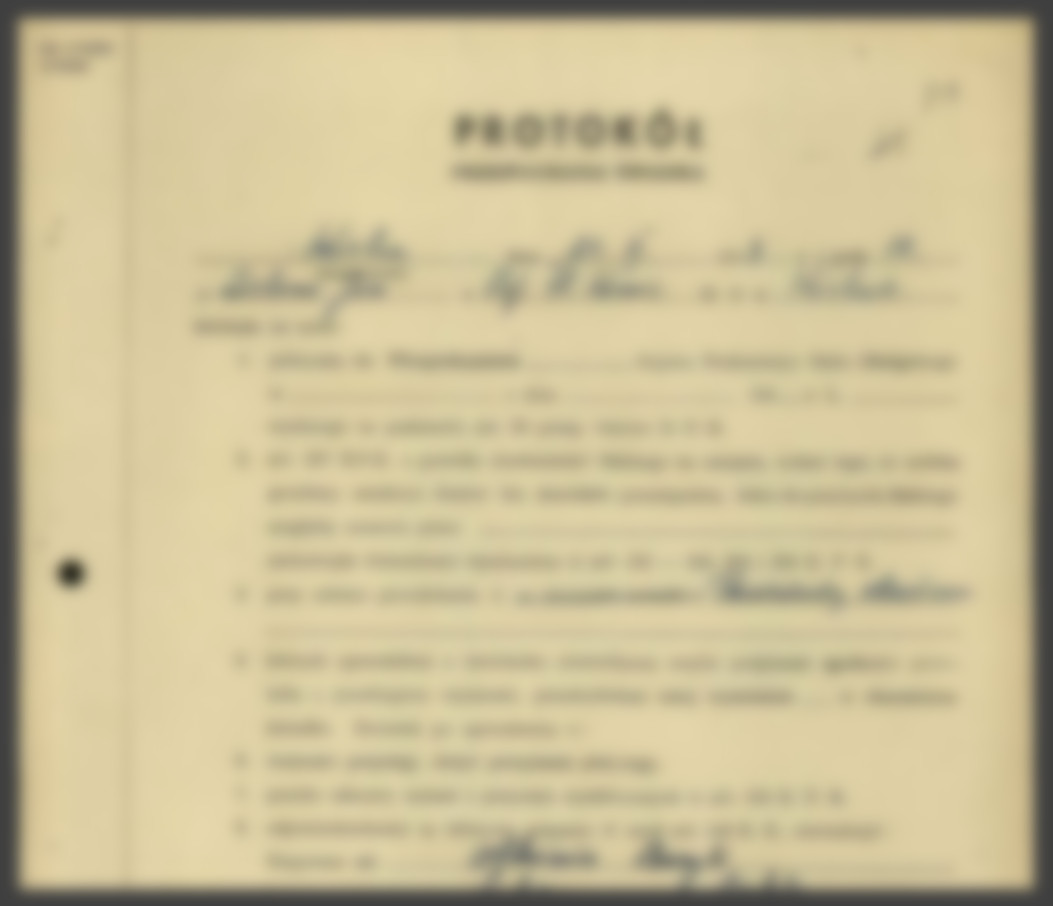
    Cwynar Andrzej 16.10.1910, Białoboki (Przeworsk county)

    Thema

    Region Ostrów – Befriedungsaktionen in der polnischen Provinz

    Ort auf der Karte

    Warszawa
    Lwów (Ukraina)
    Brańszczyk
    Warszawa
    Wyszków (pow. wyszkowski), Posterunek Żandarmerii, ul. Zakolejowa 17

    Medienart

    Uneidliche Aussage im Gerichts-/Strafverfahren
    Aussage im Gerichts-/Strafverfahren

    Aktenbildner

    Bezirkskommission für die Erforschung deutscher Verbrechen in Warschau

    Bereitstellende Institution

    Institut für Nationales Gedenken

    Medienart

    Text

    Witness (date and place of birth)

    Cwynar Andrzej 16.10.1910, Białoboki (Przeworsk county)

    Subject

    Ostrów region – the pacification of townships and rural areas

    Event Date

    1939.09-1944.03

    Location

    Warsaw
    Lwów (now in Ukraine)
    Brańszczyk
    Warsaw
    Wyszków (Wyszków district), gendarmerie station, Zakolejowa Street 17

    Place

    Police headquarters/station

    Object type

    Testimony from court/criminal proceedings, given without an oath
    Testimony from court/criminal proceedings

    Object Creation Date

    1972.03.02

    File creator

    District Commission for the Investigation of Hitlerite Crimes in Warsaw

    Page numbers

    117-118

    Archive resources provider

    Institute of National Remembrance

    File no. of providing institution

    Ds. 119/69 t. 1

    Medium

    Text

    Świadek; data, miejsce urodzenia

    Cwynar Andrzej 16.10.1910, Białoboki (pow. Przeworski)

    Temat

    Ziemia Ostrowska – pacyfikacja polskiej prowincji

    Data wydarzenia

    1939.09-1944.03

    Lokalizacja

    Warszawa
    Grębków
    Brańszczyk
    Warszawa
    Lwów (Ukraina)
    Wyszków (pow. wyszkowski), Posterunek Żandarmerii, ul. Zakolejowa 17

    Jednostki administracji niemieckiej

    Kreishauptmannschaft Ostrów Mazowiecka (Generalne Gubernatorstwo)

    Miejsce

    Siedziba/posterunek policji

    Treść

    Policja granatowa (Polnische Polizei im Generalgouvernement) (Learn more)

    Typ obiektu

    Zeznanie z postępowania sądowego/karnego
    Zeznanie z postępowania sądowego/karnego bez przysięgi

    Data utworzenia obiektu

    1972.03.02

    Aktotwórca

    Okręgowa Komisja Badania Zbrodni Hitlerowskich w Warszawie

    Numery stron

    117-118

    Instytucja udostępniająca

    Instytut Pamięci Narodowej

    Sygnatura instytucji udostępniającej

    Ds. 119/69 t. 1

    Medium

    Tekst

Similar testimonies

The same subject:

Ostrów region – the pacification of townships and rural areas

Witness

Fijałkowski Stanisław 16.03.1901, Łosinno

Topic

Ostrów region – the pacification of townships and rural areas

Date

1943.06-1945

Location

Treblinka, German extermination camp

The same subject:

Ostrów region – the pacification of townships and rural areas

Witness

Myśliwiec Antoni 06.06.1920, Ostrowy (Wyszków county)

Topic

Ostrów region – the pacification of townships and rural areas

Date

1944.07-1944.07

Location

Wyszków (Wyszków district), gendarmerie station, Zakolejowa Street 17

Nearby location:

Brańszczyk

Witness

Danis Bronisława

Topic

Ostrów region – the pacification of townships and rural areas

Date

1944.03.01-1945

Location

Brańszczyk

map

Borders loading in progress...
Legend
Testimony location
Another testimonies locations
Zoom in to see more testimonies

Bibliographic description and citation


Similar testimonies

The testimony is available only in the Library of the Pilecki Institute.


Full access to the testimony concerning World War II is possible only in the reading rooms of the Library of the Pilecki Institute in Warsaw and Berlin.


The procedure for accessing materials gathered by the Lemkin Center is under development


You can find the contact information here.

Report errors

Please describe in a few sentences the problem observed in connection with the object (max. 240 characters):

Historical contexts:
Learn more